

Updated August 2026
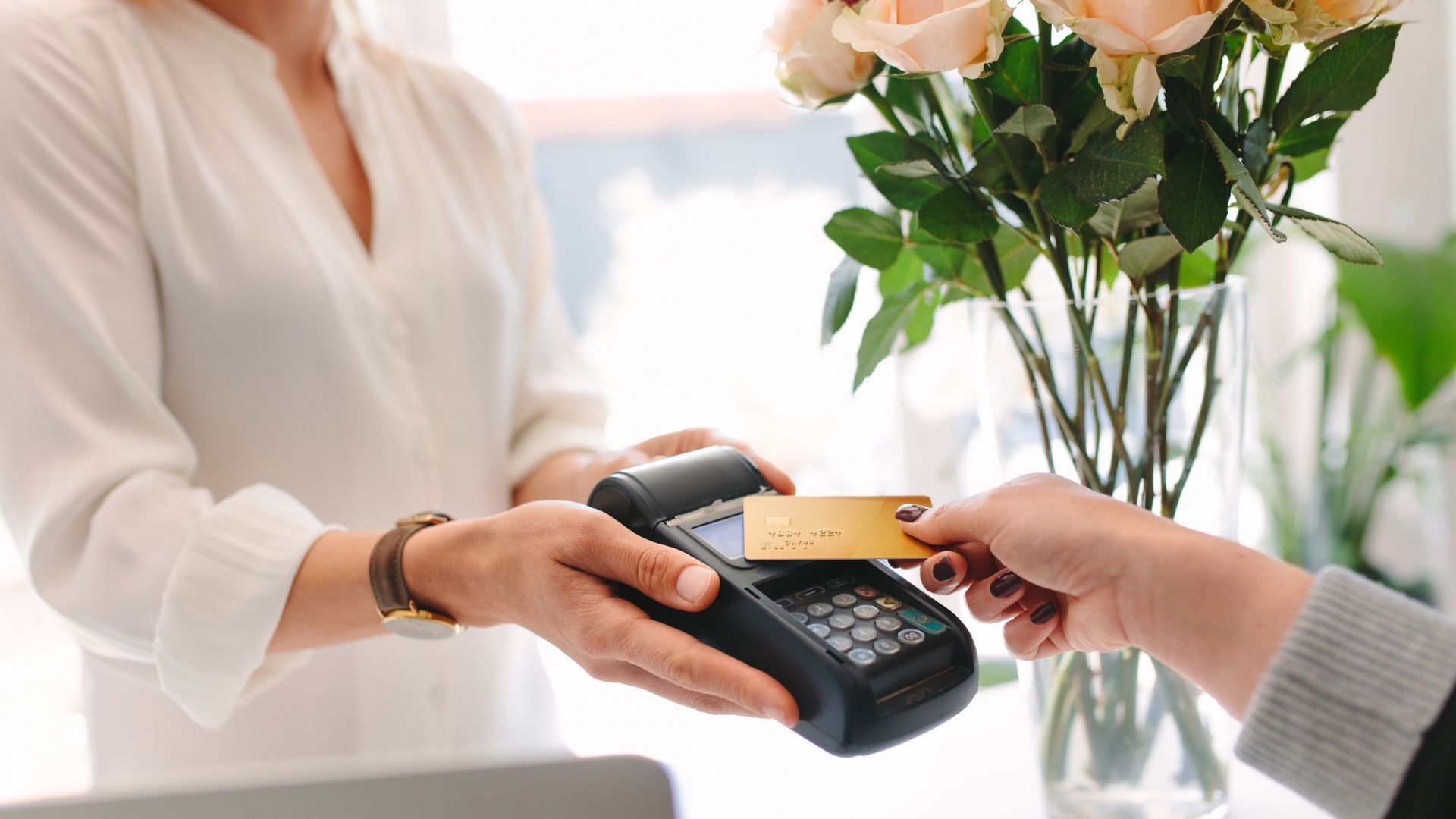
The short answer is that tourists visiting Albania should carry both cash and a card. Cards are increasingly accepted in Tirana, larger cities, hotels, supermarkets and modern restaurants. However, cash in Albanian lek is still essential for local markets, small businesses, public transport, rural areas and some taxis.
A practical approach is to pay by card whenever it is available and keep enough Albanian lek for small purchases, transport and places where electronic payments are not accepted. You should not rely exclusively on euros, even in popular tourist destinations.
The Quick Answer: Is Albania Cash or Card Friendly?
Albania is becoming more card-friendly, but it remains more dependent on cash than many Western European countries.
Card payments are expanding rapidly. According to the Bank of Albania, debit and credit cards accounted for 67% of payments made through the banking system in 2025. However, this does not mean that every restaurant, shop or transport provider accepts cards.
Here is what tourists can generally expect:
| Place or service | Cash | Card |
|---|---|---|
| Hotels in Tirana and major tourist areas | Usually accepted | Often accepted |
| Large restaurants and modern cafés | Accepted | Often accepted |
| Small restaurants and local cafés | Usually required | Sometimes accepted |
| Supermarkets and shopping malls | Accepted | Usually accepted |
| Markets and street vendors | Required | Rarely accepted |
| Local buses and minibuses | Usually required | Limited |
| Taxis | Depends on the operator | Confirm before booking |
| Rural areas and mountain villages | Essential | Limited |
| Petrol stations on major roads | Accepted | Often accepted |
The safest strategy is simple: bring a Visa or Mastercard, keep some Albanian lek with you and confirm the payment method before ordering, booking or beginning a journey.
What Currency Is Used in Albania?
The official currency of Albania is the Albanian lek, identified by the currency code ALL. Albania is not part of the eurozone, so the euro is not its official currency.
Euros are sometimes accepted in tourist areas such as Tirana, Sarandë, Ksamil, Durrës and parts of the Albanian Riviera. Hotels, tour operators, car rental companies and some restaurants may quote prices in euros, especially when working with international visitors.
However, euro acceptance should not be taken for granted. Small shops, local restaurants, markets, buses and businesses outside the main tourist areas will usually expect payment in lek.
If you pay in euros, you may receive your change in lek. The exchange rate used by the business may also be less favorable than the official market rate. Before accepting a price in euros, it is worth checking the current official exchange rate published by the Bank of Albania.
For everyday spending, paying in lek is usually the clearest option.
Where Can You Pay by Card in Albania?
Visa and Mastercard are the most commonly accepted international cards in Albania. Card acceptance is generally better in Tirana and other large cities than in villages, mountain regions and smaller coastal communities.
Where cards are commonly accepted
You can usually pay by card at:
- International and larger hotels
- Modern restaurants in Tirana
- Large supermarkets
- Shopping malls
- Petrol stations on major roads
- Car rental offices
- Larger pharmacies
- Branded shops
- Some beach resorts and established restaurants along the Riviera
Even in these locations, it is sensible to ask before ordering or receiving a service. A card terminal may be temporarily unavailable, and smaller businesses may have a minimum payment amount.
Where cash is often necessary
You should expect to use cash at:
- Local markets
- Street food vendors
- Small cafés
- Family-owned restaurants
- Bakeries and small convenience stores
- Local buses and minibuses
- Some museums and attractions
- Guesthouses in rural areas
- Beach facilities operated by small local businesses
- Taxis that do not have card terminals
For example, you may pay by card at a rooftop restaurant in central Tirana but need cash at a family-run guesthouse in Theth or Valbona.
Can You Use Revolut, Apple Pay or Google Pay in Albania?
A Revolut card can generally be used wherever the merchant accepts the corresponding Visa or Mastercard network. Revolut automatically converts the payment into the required currency when necessary, but exchange limits and fees depend on your plan.
Apple Pay and Google Pay may work at businesses with compatible contactless terminals. However, mobile wallet acceptance is not universal. Always carry the physical card connected to your digital wallet and some cash as a backup.
Before traveling, check:
- Whether your card is enabled for international transactions
- Your foreign transaction fees
- Your ATM withdrawal limits
- Any exchange limits included in your banking plan
- Whether you can temporarily freeze your card through the banking app
Travelers who rely on a mobile wallet should also keep their physical card separately in case their phone runs out of battery, loses its internet connection or cannot connect to a particular terminal.
Using ATMs in Albania: Fees and Exchange Rates
ATMs are widely available in Tirana, Durrës, Vlorë, Sarandë, Shkodër and other large cities. They can be more difficult to find in small villages and remote mountain areas, so withdraw cash before leaving a major urban center.
Whenever possible, use an ATM attached to a recognized bank, such as BKT, Credins Bank, Raiffeisen Bank, Intesa Sanpaolo Bank Albania or another established local bank.
Before confirming a withdrawal, check the following:
- The fee charged by the Albanian ATM
- The withdrawal fee charged by your own bank
- The amount you will receive in Albanian lek
- The exchange rate displayed on the screen
- Whether the ATM is offering to convert the transaction into your home currency
Some ATMs offer dynamic currency conversion. This means the ATM converts the withdrawal into euros, pounds or another home currency using its own exchange rate.
If you are given the choice, it is generally better to select the withdrawal in Albanian lek and decline the ATM’s currency conversion. Your card provider will then handle the exchange according to its own terms, which may result in a better rate.
Because ATM fees may be charged per transaction, making one carefully planned withdrawal can be less expensive than making several small withdrawals. However, avoid carrying more cash than you reasonably expect to use.
How Much Cash Should You Carry in Albania?
There is no single amount that works for every traveler. The right amount depends on your itinerary, accommodation, group size and planned activities.
For a short city break in Tirana with accommodation already paid, an initial amount of approximately 5,000 to 10,000 ALL may be a reasonable starting point. You can use it for small meals, cafés, local transport and emergencies while paying by card at larger businesses.
You may need more cash if:
- Your accommodation must be paid on arrival
- You are traveling with a family or group
- You plan to visit villages or mountain areas
- You are staying in guesthouses
- You are using local buses or furgons
- You are booking boat trips or local excursions
- You are visiting small beaches or remote attractions
- Your bank charges high ATM fees
Instead of withdrawing a fixed amount for an entire week, estimate the expenses that cannot be paid by card. Confirm the payment method with your accommodation, transfer provider and tour operator before arriving.
It is also useful to carry smaller banknotes, such as 200, 500 and 1,000 lek. Small shops, cafés and drivers may not always have enough change for large notes.
Paying for Taxis and Public Transport in Albania
Payment options for taxis vary considerably. Some taxi companies accept cards, while individual drivers and street taxis may prefer cash. Before beginning a ride, confirm:
- The total price or estimated fare
- Whether the price is in lek or euros
- Whether card payment is available
- Whether the card terminal is working
- Whether you will receive a receipt
From our experience with international visitors, payment is one of the most common concerns after landing at Tirana Airport. Many travelers arrive without Albanian lek and want to know whether they need to find an ATM before traveling to their hotel.
Booking a taxi in Tirana in advance makes this easier because you can confirm both the fare and the payment method before pickup. Bee Taxi accepts cash, card and online payments, so passengers do not need to search for an ATM immediately after landing.
For travelers arriving by plane, a pre-booked Tirana airport taxi also provides a confirmed pickup, direct transportation and clear payment information before the journey begins.
Local buses, minibuses and furgons commonly require cash. Some airport and intercity services may offer online tickets, so check the operator’s current booking options before departure.
Should You Exchange Euros or Withdraw Lek?
Both options can work, but you should compare the total cost.
Currency exchange offices are common in Tirana and other tourist destinations. Before exchanging money:
- Check the official reference rate
- Ask how many lek you will receive
- Confirm whether commission is charged
- Count the money before leaving
- Keep the receipt
Avoid exchanging large amounts without checking the rate. Airport exchange offices may be convenient, but convenience does not always mean the best available rate.
Withdrawing lek from a bank ATM is another option, although the ATM and your own bank may both charge fees. Travelers using Revolut or another travel card should still review their plan’s exchange and withdrawal limits.
Whichever method you choose, avoid converting all your travel money at once. It is easier to manage a smaller amount and withdraw or exchange more later if necessary.
Practical Tips for Managing Money in Albania
A combination of card and cash offers the most flexibility.
Use these practical rules during your trip:
- Bring at least one Visa or Mastercard.
- Keep a second card separately as a backup.
- Withdraw or exchange a reasonable initial amount in lek.
- Pay by card at established businesses when available.
- Keep cash for markets, transport and smaller venues.
- Ask about card acceptance before ordering or booking.
- Choose Albanian lek when an ATM or card terminal offers currency conversion.
- Check your banking app regularly for completed transactions.
- Carry smaller banknotes for everyday purchases.
- Do not keep all your cash and cards in the same wallet.
You usually no longer need to notify your bank before every international trip, but this depends on the card issuer. Check the banking app or contact your provider if you are unsure whether Albania is enabled for card use.
Tipping in Albania: Cash or Card?
Tipping is appreciated in Albania but is not mandatory. There is no universal percentage that tourists are required to leave.
At restaurants, some visitors round up the bill or leave approximately 5% to 10% when the service is good. For cafés, taxis and smaller services, rounding up is often sufficient.
Cash is usually the easiest way to leave a tip, even when the main bill is paid by card. Not every card terminal offers an option to add gratuity.
Common Money Mistakes to Avoid
Relying only on euros
Euros may be accepted in some tourist areas, but they are not accepted everywhere. The exchange rate offered by a business may also be unfavorable.
Assuming every restaurant accepts cards
Large and modern restaurants often accept cards, but smaller or family-owned venues may be cash only.
Accepting automatic currency conversion
When an ATM or terminal offers to charge you in your home currency, check the exchange rate carefully. Paying or withdrawing in lek is often the better option.
Making many small ATM withdrawals
Repeated withdrawals can result in multiple fees. Plan your cash requirements before using an ATM.
Carrying only large banknotes
Small businesses and drivers may not have enough change. Keep a selection of smaller notes.
Traveling to remote areas without cash
Withdraw lek before visiting Theth, Valbona, rural villages or isolated beaches. ATM availability and card acceptance can be limited.
Keeping all your money in one place
Split your cash and cards between a wallet, secure bag and hotel safe. Losing one item should not leave you without access to money.
A Simple Payment Plan for Your Albania Trip
For most tourists, the easiest strategy looks like this:
- Arrive with a working Visa or Mastercard.
- Keep a second card as a backup.
- Obtain a modest amount of Albanian lek.
- Use your card at hotels, supermarkets and larger restaurants.
- Use cash at markets, local cafés and on public transport.
- Confirm payment methods for taxis, accommodation and excursions.
- Withdraw or exchange more only when necessary.
This approach reduces the need to carry large amounts of cash while ensuring that you are prepared when card payment is unavailable.
Frequently Asked Questions
Is Albania mainly cash or card?
Albania still relies heavily on cash, particularly outside major cities. Cards are increasingly accepted in hotels, supermarkets, shopping malls and larger restaurants. Tourists should carry both cash and a card.
Can I use euros everywhere in Albania?
No. Euros are accepted by some hotels and tourist businesses, but Albania’s official currency is the Albanian lek. Small businesses, public transport and local markets usually require lek.
Are credit cards widely accepted in Albania?
Credit and debit cards are widely accepted in larger cities and established tourist businesses. Acceptance is less reliable in villages, mountain areas, small restaurants and local markets.
Do Visa and Mastercard work in Albania?
Yes. Visa and Mastercard are the most commonly accepted international card networks in Albania. Card acceptance still depends on the individual business.
Does Revolut work in Albania?
A Revolut card can generally be used wherever Visa or Mastercard is accepted. Revolut can also convert payments into the required currency, subject to the limits and fees of your plan.
Can I use Apple Pay or Google Pay in Albania?
Yes, but only at businesses with compatible contactless terminals. Keep your physical card and some cash available as backups.
Should I choose ALL or EUR at an Albanian ATM?
Choose Albanian lek, or ALL, when possible. If the ATM offers to convert the transaction into euros or your home currency, check the rate carefully and consider declining the conversion.
Are ATMs safe in Albania?
ATMs attached to established banks are generally the best option. Protect your PIN, review all fees before confirming and avoid accepting an unfamiliar exchange rate.
How much cash should I bring for one week in Albania?
The amount depends on your itinerary and which expenses are prepaid. Travelers staying in cities and using cards may need relatively little cash. Those visiting rural areas, using local transport or paying for accommodation locally will need more.
Do restaurants in Albania accept cards?
Many large restaurants in Tirana and popular tourist areas accept cards. Smaller restaurants, cafés and family-owned venues may accept cash only.
Do taxis in Tirana accept card payments?
Some do, but card acceptance is not universal. Confirm the payment method before the journey. Bee Taxi accepts cash, card and online payments.
Is it safe to use my card in Albania?
Card payments are generally safe at established businesses. Use normal precautions, protect your PIN, monitor transactions and contact your card provider immediately if you notice an unfamiliar charge.
Travel Through Albania Without Worrying About Payment
Albania is becoming increasingly card-friendly, but cash remains an important part of everyday travel. Carrying both a card and a reasonable amount of Albanian lek gives you the flexibility to pay at modern businesses, local markets, restaurants, transport services and remote destinations.
If you want to arrange your transport before arriving, you can contact us and confirm your pickup, fare and preferred payment method in advance. This allows you to begin your trip without searching for an ATM or wondering whether your driver accepts cards.


Comments are closed