

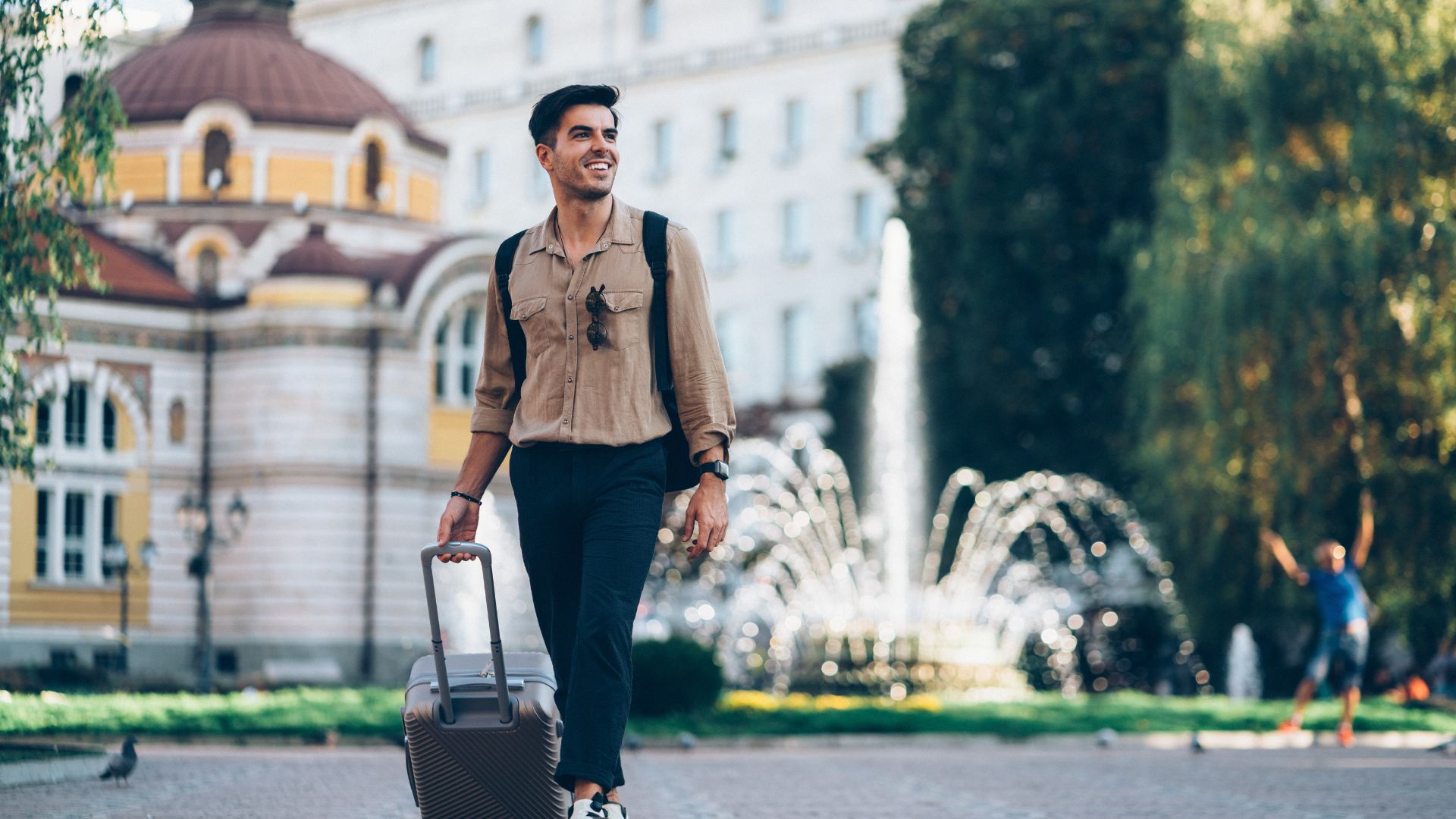
Planning a trip to Albania and wondering whether it is safe? The short answer is yes: Albania is generally a safe destination for tourists in 2026, and most visitors complete their trips without major problems.
The risks travelers are most likely to encounter are not violent crime. They are more practical: driving conditions, petty theft in busy places, poorly lit or unfamiliar roads at night, extreme summer heat, and limited medical services outside larger cities.
With basic precautions, you can comfortably explore Tirana, the Albanian Riviera, historic towns such as Berat and Gjirokastër, and mountain areas including Theth and Valbona. If you are arriving late, travelling with luggage or simply want a smoother start to your trip, booking a Tirana airport taxi in advance can also remove the stress of negotiating transport after landing.
Albania Safety at a Glance
Albania is generally considered safe for visitors, especially compared with the reputation it had many years ago. Serious crime involving tourists is uncommon, locals are often welcoming and helpful, and the country has become far more accessible to international travelers.
That said, it is still important to travel with awareness.
- Violent crime against tourists is uncommon.
- Pickpocketing and theft can happen in crowded places.
- Road safety is one of the biggest practical concerns.
- Rural medical care can be limited.
- Mountain routes, heavy rain, summer heat and wildfires can affect travel plans.
- In Tirana, it is wise to avoid protests and large political gatherings.
Before travelling, check the latest official travel advice for your country. Conditions can change, especially during extreme weather or local demonstrations.
Is Albania Safe Right Now?
For most tourists, Albania is safe to visit in 2026. Tourism has grown rapidly in recent years, particularly in Tirana, Sarandë, Vlorë, Ksamil and the Albanian Alps, and visitors generally report positive experiences.
However, “safe” does not mean that travelers should ignore normal precautions. Political protests can take place in central Tirana, particularly around government buildings. Most are peaceful, but it is best to avoid crowds, follow local news and choose another route if you see a demonstration forming.
During the extended summer season, heatwaves and wildfires can also affect some regions. If you plan to drive along the coast, hike in the mountains or travel through rural areas, check local conditions shortly before leaving.
Crime and Personal Safety in Albania
Most trips to Albania are trouble-free. Violent crime against visitors is rare, and tourists are not usually targeted. Still, petty theft can happen, particularly in busy places such as bus stations, markets, beaches, nightlife areas and crowded city streets.
Use the same habits you would use in any European city:
- Keep your phone, passport and wallet secure.
- Avoid displaying large amounts of cash.
- Use a cross-body bag or a zipped backpack in crowded areas.
- Do not leave valuables visible inside a parked car.
- Be careful when withdrawing cash and use ATMs attached to banks where possible.
- Keep a digital copy of your passport and travel insurance details.
There is no need to be overly anxious, but being organised makes a trip much easier if something does go wrong.
Is Tirana Safe at Night?
Tirana is generally safe to explore, including in the evening. Central areas such as Blloku, Skanderbeg Square, Pazari i Ri and the main restaurant and nightlife districts are active and well frequented by both locals and visitors.
As in any capital city, it is sensible to stay on well-lit streets, avoid isolated side roads late at night and keep an eye on your belongings in busy bars or clubs. If you are tired, carrying luggage or returning to your accommodation late, a licensed taxi is usually the simpler option.
Avoid accepting rides from people who approach you without a clear taxi identification or an agreed price. Booking through a known provider gives you more certainty over the driver, route and fare. You can also read our guide on how safe it is to take a taxi in Albania before travelling.
Is Albania Safe for Solo and Female Travelers?
Albania can be a good destination for solo travelers, including women travelling alone. Many visitors find locals respectful, helpful and curious about international guests. Tirana, coastal towns and popular destinations such as Berat, Gjirokastër, Shkodër, Sarandë, Theth and Valbona are accustomed to tourists.
The usual solo travel precautions still apply:
- Choose accommodation with recent and credible reviews.
- Avoid walking alone in isolated areas late at night.
- Tell someone your plans before a long hike or rural day trip.
- Keep your phone charged and carry a power bank.
- Arrange transport in advance for late-night arrivals or early airport departures.
- Trust your instincts if a situation or person feels uncomfortable.
Solo travelers should not expect Albania to be dangerous, but planning transport and accommodation ahead can make the experience much more relaxed.
Is It Safe to Drive in Albania?
Driving is often the part of an Albania trip that requires the most caution. Major roads between Tirana and the main tourist destinations have improved significantly, but road conditions can still vary. In rural, mountain and coastal areas, roads may be narrow, uneven or poorly lit.
Local driving styles can also feel faster or less predictable than some visitors expect. Be especially careful around roundabouts, city traffic, mountain bends and roads shared with pedestrians, livestock or slow-moving vehicles.
If you rent a car:
- Avoid driving on unfamiliar rural or mountain roads at night.
- Leave extra time for routes that look short on a map.
- Watch for potholes, sharp bends and limited signage.
- Do not assume all roads are suitable for a standard rental car.
- Be particularly cautious after heavy rain, during winter and on mountain routes.
- Park only in sensible, visible areas and never leave valuables in the vehicle.
For airport arrivals, transfers between cities or day trips where you do not want to drive, arranging a taxi in Tirana can be a more comfortable alternative.
Public Transport and Taxi Safety in Albania
Buses and minibuses, often called furgons, are widely used and are generally safe. The main challenge is organisation rather than security. Timetables can change, departure points may be unclear and tickets are often paid for in cash.
For longer routes, it is worth confirming the departure time and location with your accommodation or a local contact. Keep small cash available and do not rely entirely on public transport for tight airport connections or late-night travel.
When using taxis, choose clearly identifiable, licensed vehicles or book through a reputable provider. Before getting in, confirm the destination and price if it has not been set in advance. Avoid unmarked cars or rides offered by strangers at transport hubs.
Scams and Common Tourist Issues
Tourist scams in Albania are generally less aggressive than in some larger European destinations, but it is still useful to know what to watch for.
The most common issues are practical rather than serious:
- Unclear taxi pricing when a fare is not agreed in advance.
- Independent ATM fees or poor exchange rates.
- Currency confusion between Albanian lek and euros.
- Overpriced items in highly tourist-focused areas.
- Unofficial transport offers near airports or bus stations.
- Accommodation or excursion bookings that do not match the original description.
Use official booking channels, confirm prices before committing and keep receipts for larger transactions. Albania remains largely cash-friendly, although card payments are increasingly accepted in Tirana and tourist areas.
Hiking, Beaches and Natural Hazards
Albania’s mountains and coastline are among its biggest attractions, but outdoor trips require preparation. Theth, Valbona, Llogara Pass and other scenic areas can involve steep trails, sudden weather changes and limited phone coverage.
For hiking or mountain travel:
- Check the weather forecast before leaving.
- Tell your host or hotel your route and expected return time.
- Wear proper footwear and bring water, snacks and a charged phone.
- Do not start a demanding hike too late in the afternoon.
- Use a local guide if you are unfamiliar with the route.
- Be ready to change plans if weather conditions worsen.
In summer, southern Albania can experience very high temperatures. Carry water, use sunscreen and avoid the strongest midday sun, especially during road trips or hikes. Wildfires can occur during hot, dry periods, so follow local advice and avoid affected areas.
Health Care and Emergency Services
Pharmacies are common in Tirana and larger towns, and many pharmacists can communicate in English. If you take prescription medication, bring enough for your whole trip, plus a copy of the prescription if possible.
Medical care is generally easier to access in Tirana than in rural or mountain areas. For that reason, travel insurance with medical cover is strongly recommended, especially if you plan to drive, hike or visit remote areas.
Save these emergency numbers before you travel:
- 112: general emergency number
- 127: ambulance and medical emergencies
- 128: fire and rescue
- 129: police
Not every emergency operator may speak fluent English, so it can be helpful to have your accommodation address and location saved on your phone.
Final Thoughts: Is Albania Safe for Tourists?
Yes, Albania is generally a safe, welcoming and rewarding destination for tourists. Most visitors experience friendly interactions, beautiful scenery and a trip that feels far more relaxed than they expected.
The key is to prepare for the practical side of travel: take road safety seriously, protect your belongings in busy places, avoid isolated areas late at night, check weather conditions for outdoor plans and use reliable transport when you need it.
If you are planning an airport transfer, a city ride or a trip outside Tirana, contact Bee Taxi to arrange your journey in advance.
Last reviewed: August 2026. Travelers should always check their own government’s current travel advice before departure.
Frequently Asked Questions
Is Albania safe for tourists in 2026?
Yes. Albania is generally safe for tourists, and most visits are trouble-free. The main practical concerns are road safety, petty theft in crowded places, weather conditions and limited medical services outside major cities.
Is Tirana safe at night?
Central Tirana is generally safe at night, especially in busy areas with restaurants, hotels and nightlife. Stay on well-lit streets, avoid isolated areas and use licensed transport if you are returning late.
Is Albania safe for solo female travelers?
Yes, many women travel solo in Albania without major issues. Choose well-reviewed accommodation, avoid isolated areas late at night and arrange transport in advance when possible.
Is it safe to drive in Albania?
It can be safe, but driving requires extra care. Roads can vary in quality, local driving may feel unpredictable and rural or mountain roads are best avoided at night.
Are taxis safe in Albania?
Licensed taxis and pre-booked transfers are generally safe. Avoid unmarked vehicles, agree on the fare before starting a ride if it is not pre-arranged, and use a reputable provider for airport or long-distance transfers.
What emergency number should I call in Albania?
Call 112 for general emergencies, 127 for medical emergencies, 128 for fire and rescue, and 129 for police.


Comments are closed